
Walk the Spectrum: Color-Chasing Nature Photo Strolls
Palette Mapping Before You Step Outside
Warming Up With Micro-Attention
Safety, Comfort, and Flow
Light, Weather, and the Moving Canvas
Golden Hour’s Tender Heat
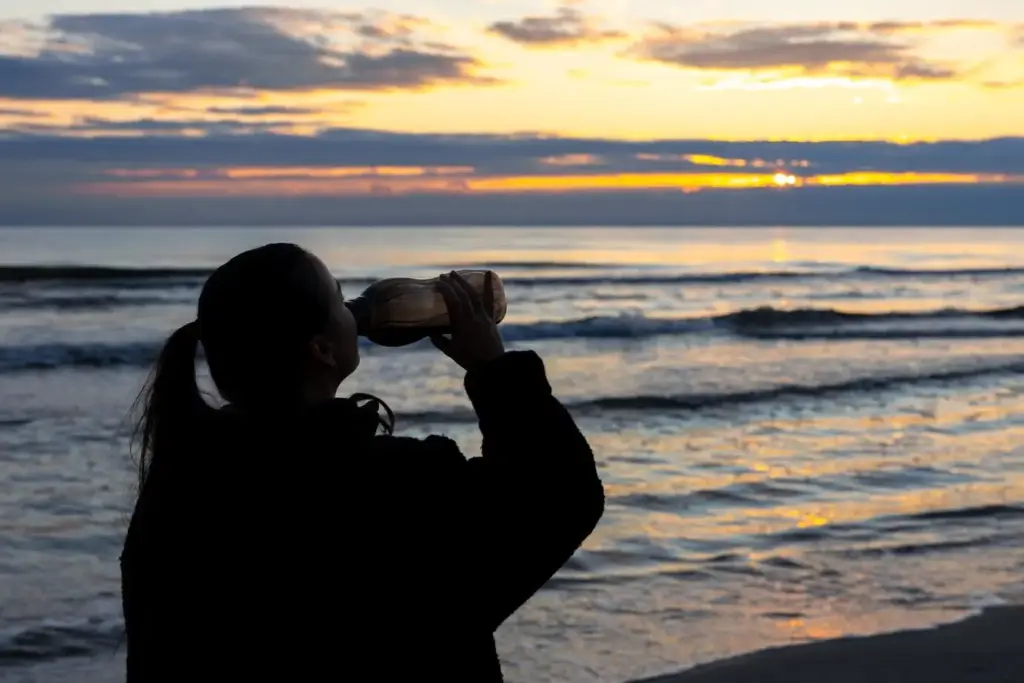
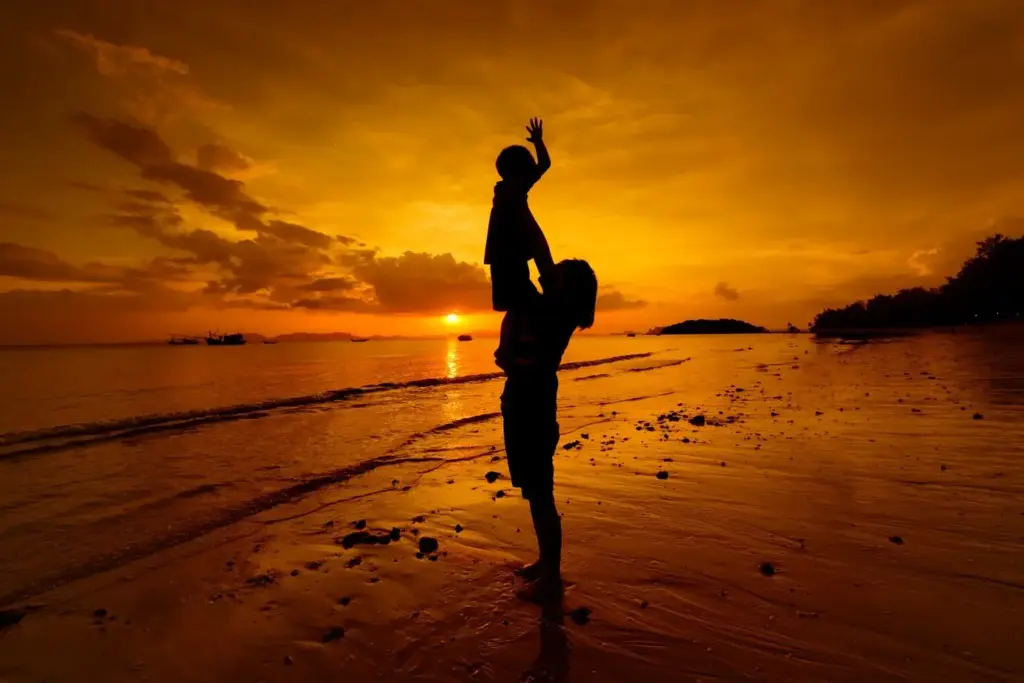
When the sun drifts low, long wavelengths surge and cool tones soften, gifting oranges, reds, and warm yellows a velvety presence. Seek side light on leaves, grasses, and bark; watch edges ignite. Compose simply, keep ISO modest, and let gentle shadows deepen your color story without heavy editing afterward.
Cloud Cover as a Giant Softbox
Overcast days reduce harsh contrast and reveal nuanced color relationships usually crushed by bright sun. Greens appear deeper, flower petals hold detail, and reflective surfaces glow. Slow down, explore textures, and trust the sky to smooth dynamic range. Subtle scenes thrive now, inviting careful framing and quieter visual poetry.
After the Rain, Saturation Blooms
Moisture darkens surfaces, boosting saturation while reflections add complementary sparks. Puddles mirror sky blue beside earthy browns, leaves gleam like enamel, and tiny droplets refract surprise. Kneel, tilt, and reframe frequently. Protect your gear with a simple bag, and let drips, ripples, and sheen carry your composition’s rhythm.
Complementary Sparks and Gentle Balances
Blue and orange, red and green, yellow and violet—classic complements create vibrancy through contrast. Hunt for small pairings like a rusted bolt against lichen, or an orange leaf floating on slate water. Adjust angle to fine-tune dominance, and keep distractions out so the relationship shines clearly and persuasively.
Minimalism for Maximum Hue
Reduce elements until only color, shape, and light remain. A single red berry against snowfall, a sunlit reed against shadow, or a lone petal on asphalt can radiate emotion. Use longer focal lengths to compress clutter, step sideways to remove tangles, and trust restraint to make saturation feel monumental.
Movement, Blur, and Painterly Feel
Introduce intentional motion with gentle panning or slow shutter speeds, letting colors blend like watercolor. Sway with wind in grasses or follow a butterfly’s arc. Accept impressions rather than edges. This approach records how it felt to witness color, translating fleeting energy into soft, expressive, memory-rich photographs.
Stories Collected While Walking
Practical Settings for Cameras and Phones
Expose for Faithful Color
Watch highlight warnings and avoid crushing bright petals or skies. Slightly underexpose high-contrast scenes to guard detail, then lift shadows gently later. On phones, tap to set exposure and drag down a touch. Consistent discipline preserves nuance so reds don’t bleed, greens don’t glow unnaturally, and gradients remain smooth.
White Balance With Intent
Auto white balance often neutralizes the very warmth or coolness you loved. Lock it when possible, or choose shade, cloudy, or daylight presets to honor mood. On phones, try a manual Kelvin app. Treat color temperature like punctuation, shaping emotion before editing, rather than fixing inconsistencies afterward under pressure.
Focusing While You Move
Use continuous autofocus for motion, or focus and recompose for still scenes. Stabilize with breath—inhale, exhale, gently press. On phones, long-press to lock focus and exposure. A tiny stance adjustment reduces shake, keeping edges crisp so saturated tones feel confident, intentional, and ready to carry your composition’s meaning.
Share, Reflect, and Keep the Walks Coming
Keep a Color Walk Journal
Build a Micro-Community
All Rights Reserved.