Step Into Scarlet Light: Autumn Foliage Photo Walks

Pack your curiosity and step outside as we journey through Autumn Foliage Photography Walks: Capturing the Season’s Richest Hues, celebrating crisp air, luminous leaves, and the quiet drama of changing woods. We will pair practical planning with creative technique, turning ordinary paths into galleries of color, texture, and light. Expect tips, stories, and friendly challenges designed to sharpen your eye, deepen your patience, and help you return with images that glow, breathe, and warmly invite conversation.

Finding the Right Trail and Perfect Timing

Autumn rewards those who plan kindly and wander slowly. Check foliage forecasts, study sunrise and sunset angles, and leave space for detours when light surprises you. Carry layers, water, and a simple map, then treat timing as conversation: arrive early, linger late, and let color choose the pace.

Gear That Travels Light but Sees Deep

Travel light enough to enjoy the walk, yet prepared to translate subtle color and shifting wind. A small body, a versatile zoom, one fast prime, and thoughtful accessories beat heavy redundancy. Choose reliability, weather sealing, and batteries over excess, then let your attention carry the rest.

Lenses for Intimacy and Grandeur

A 24–70mm handles broad scenes and quick reframings, while a 70–200mm isolates glowing branches across ravines. A compact 35mm or 50mm invites storytelling details—boots on leaves, a thermos steaming. Pick one or two for freedom, trusting footwork to refine perspective and pace your discoveries.

Filters That Make Colors Sing

A circular polarizer reduces glare from waxy leaves, deepens skies, and coaxes saturation without gaudy shifts. A gentle diffusion filter can soften harsh noon sparkle into friendly glow. Keep filter threads clean, rotate slowly while watching reflections, and remove when shade already provides contrast and clarity.

Stability Without Slowing the Walk

A travel tripod or monopod steadies slow shutters for whispering streams and dim understory. Consider a clamp or trekking pole adapter for ultralight support. Practice bracing elbows, exhaling steadily, and using burst mode, letting technique replace weight while preserving the spontaneous rhythm of discovery.

Composing With Color, Contrast, and Quiet
Color rewards patience and placement. Seek contrasts between crimson and evergreen, warm leaves against cool stone, or golden grasses beneath slate skies. Build frames that breathe, with clear edges, purposeful depth, and pauses for the eye. Let quiet guide decisions until simple choices feel inevitable.

Light That Transforms: From Overcast to Backlit Fire

Light sculpts color into meaning. Backlight ignites translucent veins; overcast wraps detail softly; evening mists turn paths cinematic. Learn to anticipate shifts, moving a few steps to transform glare into glow. Accept imperfect forecasts and treat unpredictability as a collaborator rather than a barrier.

Moments, Motion, and Human Presence

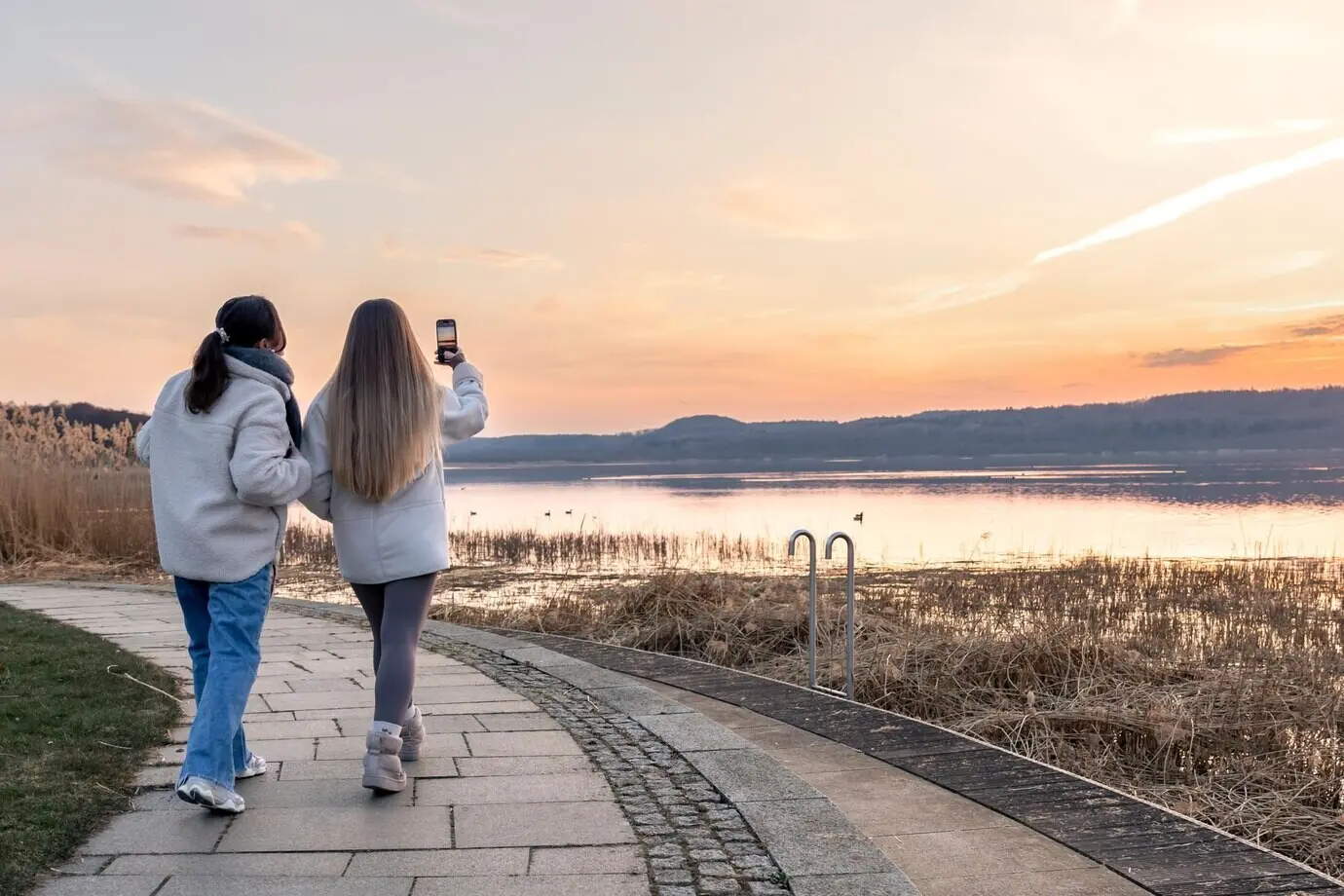
A walk is more than scenery; it is steps, pauses, and small kindnesses exchanged with place and people. Capture motion, laughter, and shared thermoses without interrupting wonder. Tell a sequence, not just isolated gems, and your photographs will carry warmth that viewers feel immediately.
Experiment with slower shutters to sketch movement in grasses, coats, or drifting leaves, then anchor with a still element for balance. Let sound guide timing: press the shutter as wind swells, then wait for calm. Rhythm makes images breathe, echoing the walk inside each frame.
Invite companions into scenes with consent and gentle direction. Ask for pauses near warm light and engage them in conversation to relax expressions. Avoid blocking trails or disturbing others, and keep faces optional when privacy matters. Human scale deepens story without overpowering the quiet conversation with place.
Admire deer trails and mossy logs from respectful distance, using longer focal lengths instead of stepping off path. Pack out crumbs that attract animals and carry a small bag for litter you find. Gratitude expressed through care becomes part of every image you share.

From RAW to Radiant: A Gentle Editing Path

Editing should honor the lived walk: air, temperature, and the way colors met your eyes. Work from RAW with gentle hands, protecting highlight texture and believable hues. Build a repeatable sequence, but stay open to surprise, letting each photograph keep its individual voice.
Begin with white balance that matches memory, not trends. Nudge exposure, contrast, and HSL channels carefully, avoiding neon creep. Use selective masks to keep skies natural while lifting shaded leaves. If saturation tempts, step back, breathe, and measure changes against the quiet feeling from the trail.
Sharpen edges where detail matters—bark, dew, leaf veins—while preserving softness in backgrounds and mist. Prefer masking to global crunch. A touch of local clarity on focal leaves can sparkle without brittleness. Remember, perceived sharpness grows when composition and light already guide attention gracefully.

Sharing, Community, and Ongoing Practice

Photography grows richer when shared generously. Invite conversation, learn from differing eyes, and return kindness with encouragement. Build small rituals that keep you walking weekly, even after peak color. Persistence, community, and playful curiosity will sustain your practice long after leaves return to soil.
Mevolevakuzotafelepuxe
Privacy Overview

This website uses cookies so that we can provide you with the best user experience possible. Cookie information is stored in your browser and performs functions such as recognising you when you return to our website and helping our team to understand which sections of the website you find most interesting and useful.