

Chasing Radiant Horizons Along the Coast

Today we head out for golden hour coastline photo walks focused on sea and sky color gradients, embracing the quiet transitions that appear when the sun slides toward the waterline. Expect delicate bands of color, reflections that double the spectacle, and a calm rhythm that encourages unhurried observation, careful compositions, and open-ended exploration. Pack curiosity, comfortable shoes, and a willingness to notice the smallest tonal changes that most beachgoers miss as the breeze shifts and the light deepens.

Understanding Coastal Light Alchemy

Before your shutter clicks, learn how the shoreline transforms light into layered color. At golden hour, lower sun angles, ocean moisture, and airborne salt uniquely shape gradients by scattering shorter wavelengths and softening contrast. These subtle interactions create bands that glide from warm apricot to velvet blue without harsh edges, rewarding patience, precise exposure, and a willingness to stand still long enough for the atmosphere to mix its quiet magic.

Finding the Right Stretch of Shore

Location shapes everything: gradient direction, color intensity, and safe access. Study maps for coves, reflective tide pools, and headlands that block wind. Seek foreground textures like patterned sand or gentle surf that compresses into mirrored ribbons. Consider how pier pylons, cliffs, or jetties carve silhouettes against the sky. Arrive early, test sightlines, and mark a few alternate spots in case crowds gather or fog rolls unexpectedly across the inlet.

Dialing in the Camera for Subtle Transitions

Capturing gradients demands gentle exposure decisions and flexible files. Shoot RAW, meter conservatively, and protect delicate highlights where warm hues meet reflective water. Consider ETTR without clipping, and bracket sparingly only when necessary. A steady stance, low ISO, and stable shutter tame micro-blur in soft light, while a thoughtfully fixed white balance preserves continuity across sequences intended for later stitching or curated storytelling carousels.

Horizon Discipline and Gentle Curves

A straight horizon stabilizes scenes built on subtlety. If the coastline curves, lean into that shape and let it guide the viewer’s eye through the gradient’s progression. Align significant color boundaries with simple structure lines rather than clutter. Consider a low vantage point that accentuates bands across the sky and sea, and double-check your level. When the line rests cleanly, the gradient’s serenity becomes the undeniable protagonist without distraction.

Reflections, Wet Sand, and Tidal Mirrors

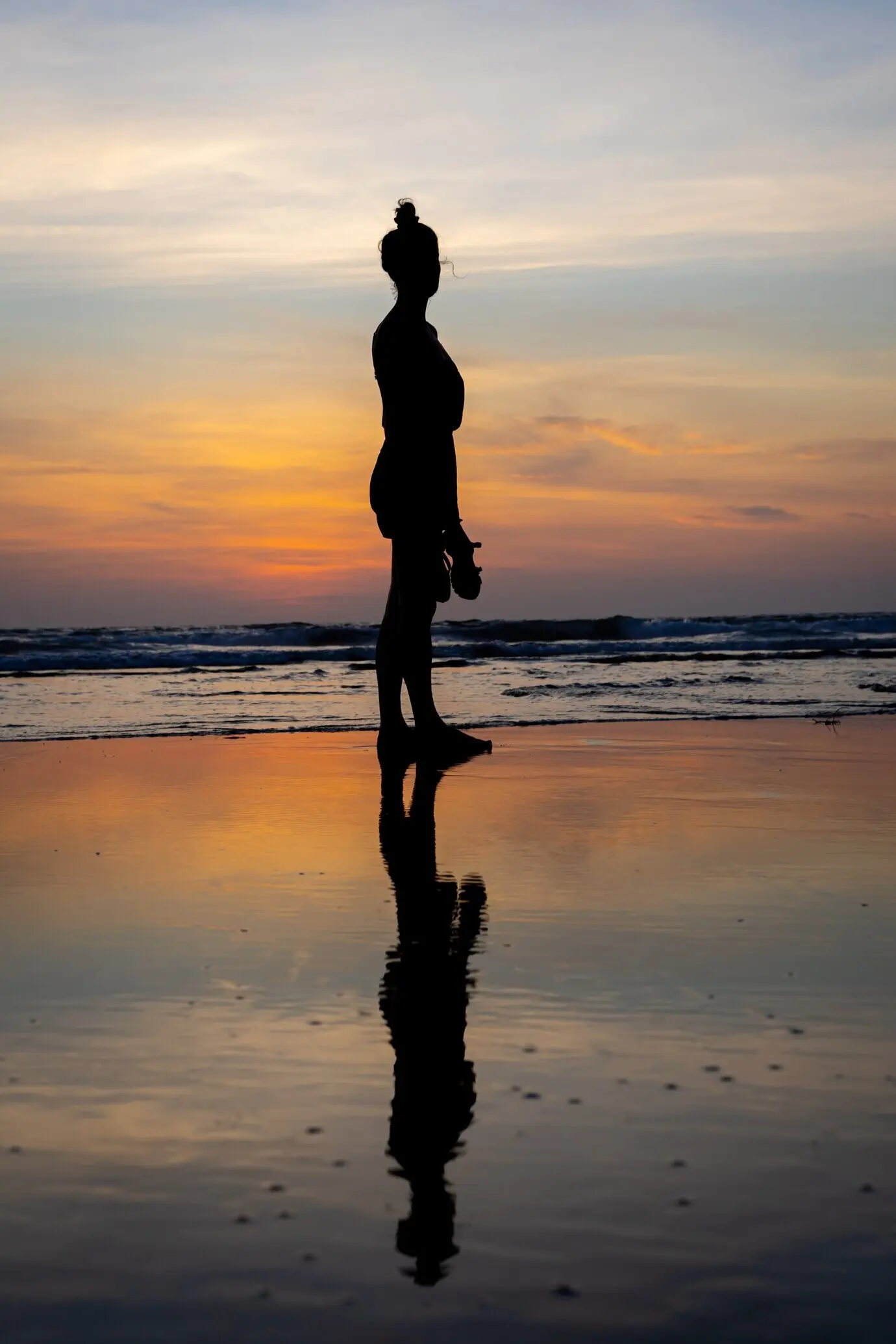
Wet sand transforms after each retreating wave, briefly revealing a perfect mirror. Time your shutter to catch that instant when the surface briefly glazes over. Kneel closer to emphasize symmetry and stretch bands into elongated stripes. If foam patterns linger, use them as soft arrows leading toward color. Avoid footprints by walking wide and circling back; protecting untouched surfaces preserves both aesthetics and the quiet mood you traveled to find.

Human Scale and Storytelling Silhouettes

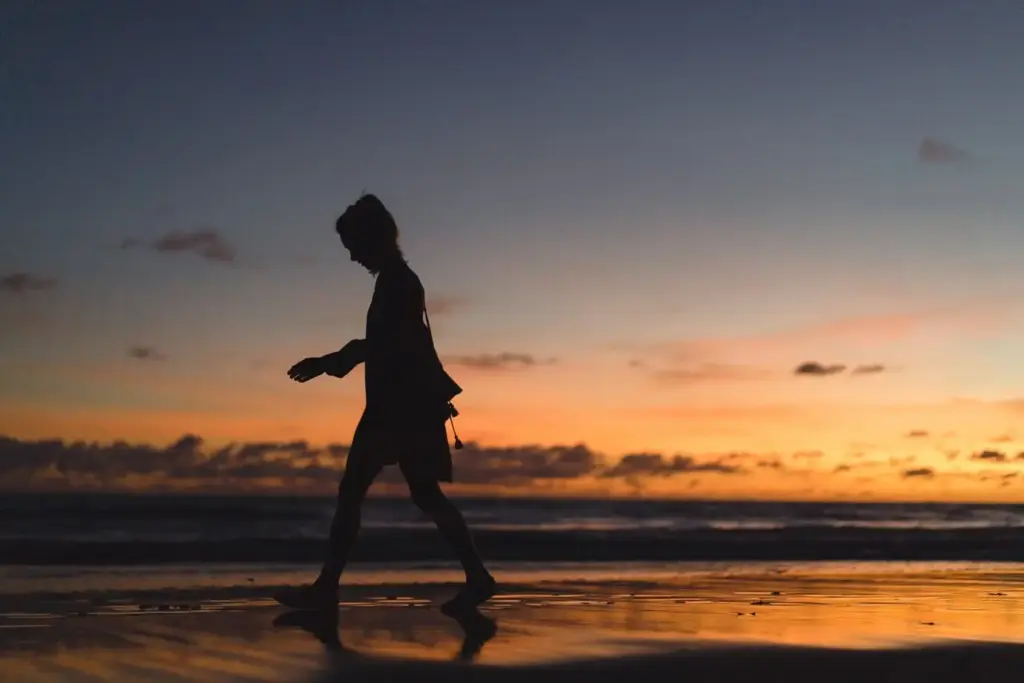
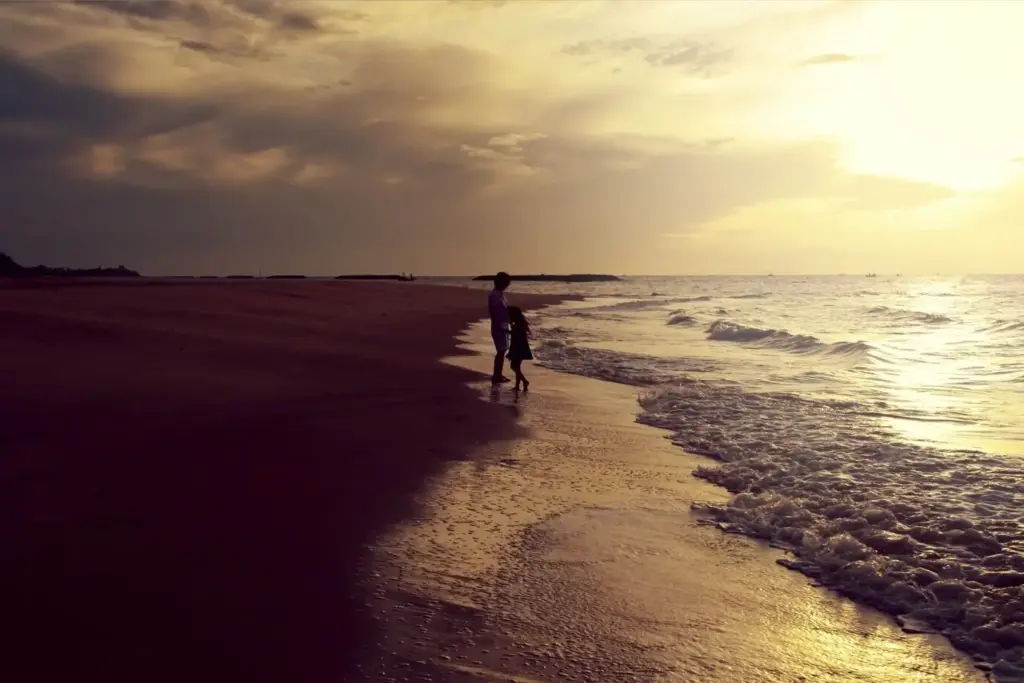
A lone walker, distant surfer, or perched gull offers scale that clarifies the gradient’s immensity. Place figures against calmer sections of sky, ensuring recognizable outlines. Encourage companions to pause naturally rather than pose. The resulting silhouettes feel lyrical and grounded, tying the viewer’s emotions to a real place and time. Remember, a small gesture, like lifted hair in a breeze, can animate color transitions with intimate humanity.

Walking Stories: Field Notes From the Edge

Every coastline walk carries its own narrative. One evening a gull traced cursive over the foam while the sky shifted from brass to amethyst. Another night, fishermen hummed old melodies as ripples smudged pink into lilac. Collect these small details alongside your frames; they will help you remember the scent of salt and the tempo of your steps when editing the series later at home.

A Morning That Turned Copper, Then Blue

We started early beside a quiet jetty, expecting pastel sunrise. Instead, a copper veil poured unexpectedly across low clouds, bathing stones in warm syrup. Ten minutes later, a brisk wind cleared the haze and the gradient cooled to sapphire. By staying patient and flexible, we captured both moods from the same spot, proving how time itself becomes your most expressive lens along the water’s edge.

When Fog Became the Softest Gradient

A shallow fog bank rolled ashore like a whispered secret. It swallowed distant cliffs, leaving only diffused, pearly light and whispers of peach along the horizon. Without sharp edges, the scene felt like watercolor. We slowed our pace, switched to longer exposures, and let soft motion paint the frame. That evening taught us how weather that seems disappointing at first can reveal unexpected, truly tender color tapestries.
A Serendipitous Conversation With a Fisher

While waiting for afterglow, a fisher shared tide tricks and pointed to a sandbar that mirrors the sky after the last wave’s sigh. We followed his cue and found a flawless reflection just as mauve edged into deep blue. Simple gratitude, quick thanks, and an exchanged smile improved the photographs profoundly, reminding us that local knowledge often unlocks the shoreline’s most fleeting beauty.

Editing With Respect for Natural Glow

Contrast Curves That Preserve Breathing Room

A modest S-curve can add structure, but steep slopes quickly crush the steps between colors. Favor gradual transitions, watching histograms for bunching. Lift shadows slightly to reveal wet-sand texture without choking the midtones. When you toggle before and after, ask whether the edit still feels like the air you inhaled on the walk. If not, pull back until calmness reappears across the frame.

Color Grading Without Plastic Shine

Split toning or color wheels can harmonize warm and cool bands, yet restraint keeps the result honest. Push gently, then stop short of candy tones that never appear at dusk over open water. Use targeted HSL to subtly lower saturation in aggressive channels, especially magentas and aquas. The best coastal edits feel breathed, not lacquered, and reward viewers who linger over soft boundaries instead of loud spectacle.

Local Adjustments That Guide the Eye

Subtle radial or linear gradients can nudge attention toward the most eloquent color steps. Feather masks generously, avoid hard edges, and slightly lower clarity where texture distracts from tonal flow. A delicate dodge can lift a reflective stripe just enough to echo the sky. Each micro-adjustment should support the larger mood, like a whisper that affirms what the scene already wanted to say.

Share, Learn, and Return to the Shore

Bring your discoveries back to a friendly circle. Share sequences, ask questions, and describe the moments that moved you between the waves. Join slow-paced group walks, compare editing approaches, and swap safety tips. Tag your studies, invite friends who prefer unhurried evenings, and subscribe for meetup notes. Together, we will walk again, listen to the tide, and grow more attentive to the colors that greet patient eyes.
Mevolevakuzotafelepuxe
Privacy Overview

This website uses cookies so that we can provide you with the best user experience possible. Cookie information is stored in your browser and performs functions such as recognising you when you return to our website and helping our team to understand which sections of the website you find most interesting and useful.